
Clinical Services
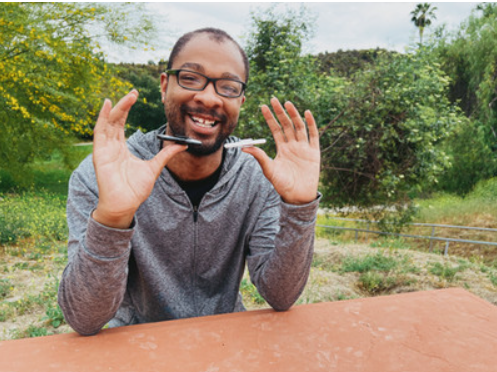
Applied Behavioral Analysis

Assessments/Evaluations

Cognitive Restoration/Maintenance
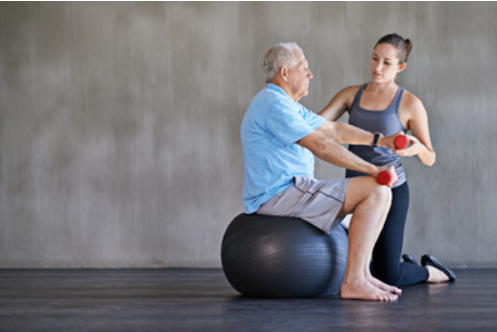
Occupational Therapy

Speech Therapy
Where clinical precision meets a lifetime of dedication.
Neurobehavioral Disorders & Clinical Interventions
Applied Behavior Analysis (ABA) serves as our foundational clinical intervention for complex neurobehavioral disorders, developmental diagnoses, and acquired neurological changes. Anchored in the science of learning and behavior, our ABA-led model transforms recovery into a structured, data-driven process that prioritizes non-aversive stabilization, skill acquisition, and behavioral independence.
Key Clinical Components
Functional Behavior Assessments (FBAs): Conducting observational assessments to isolate environmental triggers, physiological antecedents, and the functional purpose of challenging behaviors.
Behavior Intervention Plans (BIPs): Designing non-aversive, individualized plans focused on antecedent manipulation, functional communication training, and differential reinforcement.
Executive Restoration & ADLs: Breaking down personal, domestic, and social tasks into systematic steps to rebuild daily autonomy and prosocial communication.
Integrated Medication Management: Collaborating directly with prescribing physicians and neurologists to ensure pharmacological treatments complement behavioral protocols, preventing over-medication and optimizing clinical outcomes.
Cross-Environment Generalization: Training family members, educators, and direct care professionals to consistently execute strategies across home, school, day program, and community settings.
A Multidisciplinary Continuum of Care Rooted in Science, Precision, and Human Compassion
Advanced Cognitive Restoration & Maintenance
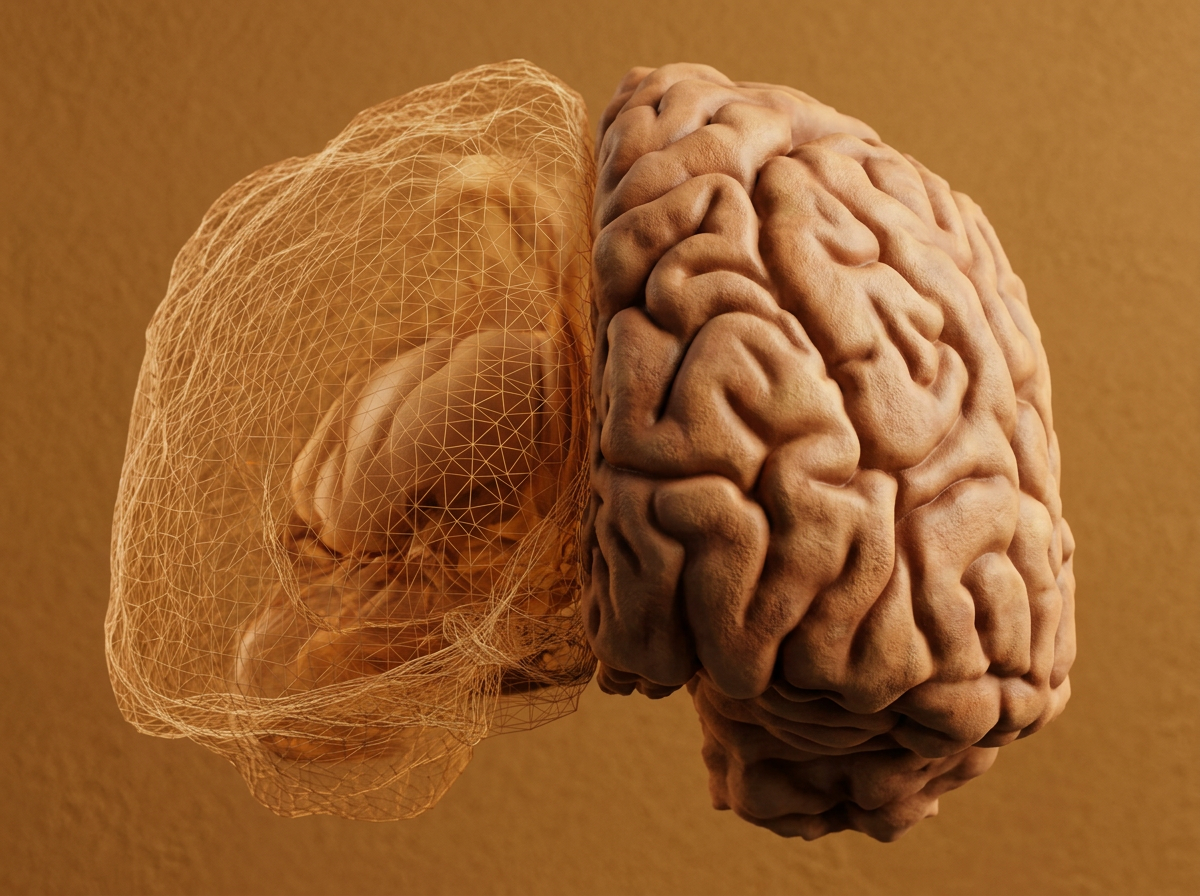
Operating at the leading edge of neuro-rehabilitation, Adcūrō’s cognitive services harness the biological mechanisms of neuroplasticity—the brain’s innate capacity to adapt and form new neural pathways. Following traumatic brain injury (TBI), acquired brain injury (ABI), stroke, or progressive neurological change, we provide tailored treatment plans that guide clients from acute clinical stabilization to long-term functional independence.
Key Cognitive Rehabilitation Domains
Executive Function Rehabilitation: Restoring high-level cognitive processes, including working memory, abstract reasoning, decision-making, planning, and goal-directed initiation.
Post-Injury Disinhibition Safeguards: Structured cognitive interventions that enhance impulse control, self-monitoring, and emotional regulation after frontal lobe or diffuse axonal injury.
Memory & Processing Retraining: Utilizing evidence-based exercises to improve recall and mental processing speed while integrating external memory aids and digital cues.
Long-Term Cognitive Maintenance: Tailored support for progressive conditions, preserving daily functional abilities, delaying decline, and reducing caregiver strain.
Ancillary Clinical Services
True recovery requires looking beyond isolated symptoms to support the whole individual. Adcūrō’s ancillary therapies work in synergy with our behavioral and cognitive teams to provide holistic physical, communicative, and sensory support.
Specialized Ancillary Pillars
Occupational Therapy (OT): Restoring strength, motor planning, and visual-spatial skills to master activities of daily living (ADLs). OT clinicians also perform environmental sensory assessments to adapt living spaces and prevent sensory overload.
Speech-Language Pathology (SLP): Rebuilding expressive/receptive language, social pragmatics, and cognitive-linguistic functioning.
At Adcūrō Neuro Health—derived from the Latin adcūrō, meaning "to care for with dedication"—we believe recovery is a collaborative, lifelong journey. Our Clinical Services division delivers a seamless continuum of care that addresses the complex intersection of behavioral health, cognitive restoration, physical mobility, and communication.
By unifying Applied Behavior Analysis (ABA), neurocognitive rehabilitation, and allied therapies under a single clinical roof, we bridge the gap between neurological function and daily independence—restoring potential, enhancing quality of life, and supporting individuals rebuilding after diagnosis, injury, or neurological change.